


Featured Resource
Why Over Half of California School Districts Trust SchoolStatus
Read More >

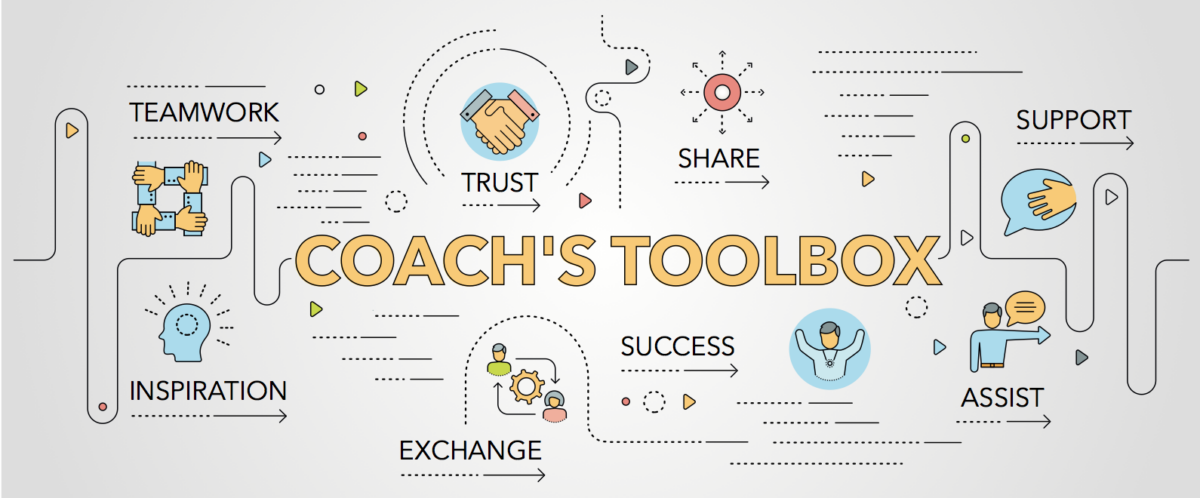

What’s a great way to increase morale when working on a goal? Mini-achievements! Dr. Cristine LaMontagne, instructional coach at East Side Union High School District in California, shares how she simplifies goals with teachers to build small achievements along the way.
During a goal-setting conversation, your teacher says, “I’d love to work on Socratic Seminars this semester. The same kids talk the whole time and just bring up opinions. I really want them to relate to the text more.” So, together you create a goal that looks something like this:
By the end of the semester, students will be able to effectively communicate in Socratic Seminars without a facilitator. They will be able to bring in relevant evidence and thoughtful analysis of that evidence, pose their own questions, and build upon what others say.
Fabulous! This is a teacher-selected goal, inspired by a student need, and has a student-centered outcome. However, in order to authentically improve teacher practice, coaches need to encourage teachers to scaffold their goals into smaller steps. In return, the process creates a long-term impact on the teacher’s practice and mini-achievements along the way.
Let’s dive into some of my favorite tips for scaffolding goals and then look at a full example of how this might work in practice.
The below example shows four, four-week coaching cycles where the goals build off each other
| Goal(s) | Coach’s Role | |
| Coaching Cycle #1
(4 weeks) |
Students will be able to introduce and connect relevant textual evidence effectively in a Socratic Seminar.
Students will practice speaking and responding to teacher-generated questions. |
|
| Coaching Cycle #2
(4 weeks) |
Students will be able to analyze relevant textual evidence effectively in a Socratic Seminar.
Students will practice posing and responding to their own questions in the seminar. |
|
| Coaching Cycle #3
(4 weeks) |
Students will be able to challenge other students’ evidence and analysis discussed in the seminar by posing thoughtful questions. |
|
| Coaching Cycle #4
(4 weeks) |
By the end of the semester, students will be able to effectively communicate in Socratic Seminars without a facilitator. They will be able to bring in relevant evidence and thoughtful analysis of that evidence, pose their own questions, and build upon what others say. |
|
By scaffolding goals, coaches help teachers:
Students need immediate feedback and the opportunity to attain the next level without feeling overwhelmed. This begins with a strategic and smart goal set with teachers. Whether the goal is student-centered, or personalized, by scaffolding goals teachers can focus on smaller objectives and quickly see concrete changes in their practice.
Dr. Cristine LaMontagne is currently on leave from her instructional coaching position at East Side Union High School District. As an instructional coach with a researcher’s background, she believes in guiding educators to develop their own critical, yet personal, pedagogy. She streamlines professional learning through a process of goal setting, inquiry, and self-reflection that is strongly grounded in collecting measurable data.
As a classroom teacher, Dr. LaMontagne is always thinking about how to facilitate dynamic learning experiences for disengaged and struggling students, where mistakes, real-time feedback, and growth are all part of the process. She is passionate about teaching the basics of learning theory and instructional strategy to struggling students, so they have a voice in the world of education. Her doctoral research highlights what can happen when students and teachers have a shared understanding of teaching and learning.
Check out Cristine’s blog and connect with her on Instagram @thevarsityclassroom!
{{cta(‘352a410e-db79-4f33-a482-d301e8041965′,’justifycenter’)}}
 SchoolStatusSchoolStatus gives educators the clarity and tools they need to get students to class and keep them moving ahead. Through our integrated suite of data-driven products, we help districts spot attendance patterns early, reach families in ways that work for them, and support teacher growth with meaningful feedback. Our solutions include automated attendance interventions, multi-channel family communications in 130+ languages, educator development and coaching, streamlined digital workflows, and engaging school websites. Serving over 22 million students across thousands of districts in all 50 states, SchoolStatus helps teachers and staff see what matters, act with speed, and stay focused on students.

News, articles, and tips for meeting your district’s goals—delivered to your inbox.
















Ready to learn more about our suite of solutions?


